

The principal’s office dictates the rhythm, the energy, and the ultimate success of the entire school building. Keeping that seat filled with highly effective, visionary talent remains a profound challenge for district leaders across the nation. Recent data paints a stark picture: the national principal turnover rate remains stubbornly high, with 8.2% of principals leaving their schools during the 2024–2025 school year—a rate that remains elevated above pre-pandemic levels. This constant churn disrupts relationships, stalls academic progress, and fractures community trust.
As a superintendent, you know exactly what systemic excellence looks like. To protect your most vital building-level assets, investing in executive coaching for principals proves absolutely essential. Top districts coach to keep leaders in their buildings. Furthermore, top districts coach to build a bench of future district executives. With tailored, strategic support, your building-level leaders can become completely unstoppable.
The Shift in Principal Retention Strategies
Executive coaching for principals involves highly personalized, context-specific guidance. The most effective models hardwire culture, leadership behaviors, and execution across entire educational systems. When principals are paired with former superintendents and district leaders who understand leadership from the inside, the dynamic shifts entirely. This approach guarantees that coaching is customized to meet unique district needs. Furthermore, it ensures development is embedded into real education leadership work rather than isolated, theoretical seminars.
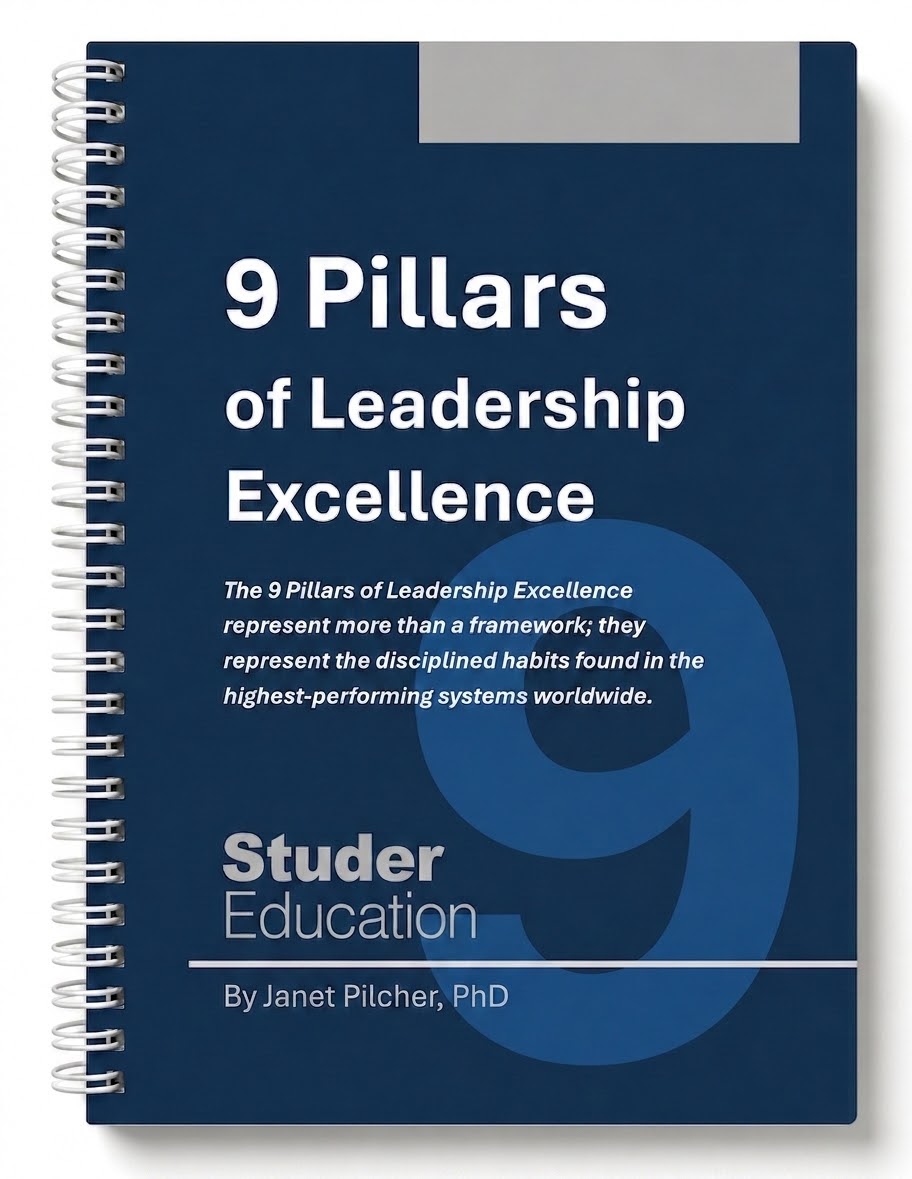
Traditional professional development often centers around compliance and checking boxes for state mandates. Executive coaching focuses entirely on building capacity and equipping the leader to solve dynamic problems. Exceptional leadership frameworks, such as the 9 Pillars of Leadership Excellence, emphasize that developing leaders is the key to improving performance. These strategies provide ways to offer real-time feedback, conduct performance coaching, and facilitate critical conversations.
A coached principal becomes a master instructional leadership coach for their own teachers. This direct transfer of skills immediately impacts classroom outcomes. As principals refine their abilities to deliver specific, actionable feedback, they elevate the pedagogical practices of their entire staff. A master principal anchors the community and drives sustained academic growth.
Differentiated Professional Development for Principals: A Lifecycle Approach
A standardized approach to professional development assumes every leader faces the exact same hurdles. Human performance can be mapped on a performance curve that is broken into four categories: high performers, high-solid performers, low-solid performers, and low performers. Work experience, longevity, and changes in processes and approaches can affect the placement of individuals along the continuum. Coaching adapts to a leader’s specific career stage, ensuring they receive the precise support they need to thrive.
How to Support First-Year Principals
New administrators often feel like they are drinking from a firehose during those critical early months. The learning curve is steep, and the pressure is immediate. Early coaching provides a crucial safety net, helping novices translate theoretical knowledge into practical, daily leadership habits. Leaders must be efficient and effective in managing human performance and developing employees to achieve higher skill levels. Guiding a first-year principal through their initial crises builds unbreakable confidence. Coaches help these new leaders master the basics, such as conducting coaching walkthroughs—short, supportive, unannounced visits to observe employees performing their work.
Overcoming Mid-Career Burnout
Experienced principals know the operational ropes, yet they face unique emotional and strategic challenges as the years progress. Coaching at this stage focuses on overcoming plateaus, managing complex staff dynamics, and driving ambitious school improvement plans without burning out. Solid performers are committed and consistent team participants. They want to deliver their best work and need good coaching from their leaders to maximize their impact and readiness for future leadership roles. Think of professional athletes at the absolute top of their game. Even the most elite players depend on expert coaches to refine their mental game, identify blind spots, and optimize their strategic execution.
Succession Planning for School Leaders
Veteran administrators represent an invaluable reservoir of district wisdom. Coaching for these individuals focuses on grooming them for central office roles and keeping top talent engaged in the district ecosystem. Organizations prioritize the development of what Jim Collins calls “Level 5” leaders, indicating the highest possible performance level for a leader. At this highest level, leaders have a relentless drive to achieve organizational success.
Building a Leadership Pipeline: The Power of Promoting from Within
When central office positions open, districts frequently look externally because their internal principals haven’t been groomed for system-level thinking. Developing your own people ensures a seamless transition of power and vision. Leadership development is a top priority for achieving excellence; it’s the surest way to attract and retain talented people.
Executive coaching effectively shifts a principal’s mindset from purely operational to highly strategic. Building-level leaders learn to extinguish daily fires while simultaneously understanding district-wide initiatives, school board relations, and complex human capital management. High-performing (level 5) leaders build a strong sense of community and have a deep commitment to developing and coaching their teams to be their best. They lead with a people-first philosophy, prioritizing the growth, well-being, and advancement of employees.
Promoting from within preserves vital institutional knowledge and maintains the continuity of your district’s culture. Institutional memory and sustained leadership deeply influence community trust and philanthropic support. Strategic school district leadership development ensures your bench is always deep, ready, and highly capable.
The ROI of Principal Coaching: Justifying the Investment
The true cost of principal turnover represents a staggering financial burden on any school system. Hard costs include recruitment expenses, interview panels, background checks, and relocation packages. Soft costs manifest as lost momentum, fractured community trust, and decreased staff morale. Contrast these catastrophic expenses with the fraction of the cost required to hire a dedicated executive coach. Developing people to improve and perform is critical to achieving organizational excellence.
Districts creatively fund these initiatives using a variety of reliable mechanisms. Title II-A funds specifically target the development of school leaders. ESSER reallocation provides another avenue for supporting administrative well-being. The cost savings of promoting an internal, coached principal to the central office completely eclipses the exorbitant fees associated with launching a nationwide executive search firm. You are actively protecting your district’s most valuable financial and human investments.
Improving School Culture Through Leadership
Retaining a highly effective, well-supported principal stabilizes the entire building’s staff and drastically reduces teacher turnover. If employees are working in an unproductive and undesirable work environment and fail to serve others well, achieving sustainable results is impossible. A strong principal acts as the gravitational pull that keeps top-tier educators anchored to your district. They learn how to deliver feedback effectively; for instance, the most helpful feedback occurs “in the moment,” as leaders observe the behavior.
Through Studer Education’s Leadership Excellence Coaching, districts consistently strengthen the measures that matter most:
- Employee Experience: retention, attendance, productivity, system performance
- Student Experience: engagement, attendance, behaviors, academic achievement
- Family Experience: satisfaction, trust, engagement, student retention
When you invest in a principal’s growth, you tangibly invest in every single student who walks through your doors. The sting of the revolving door of leadership vanishes when leaders feel truly supported.
Evaluating K-12 Leadership Coaching Programs for Your District
Selecting the ideal coaching partner requires careful consideration and strategic alignment. A superintendent should ask specific, rigorous questions when evaluating principal coaching services to ensure maximum impact.
- Do the coaches have real-world building-level experience? Our coaches are former superintendents and district leaders who understand leadership from the inside.
- Is the coaching aligned with district-wide strategic goals? Our coaching is anchored in the 9 Pillars of Leadership Excellence.
- Is the process confidential yet measurable? Studer Education Coaches provide ongoing, personalized leadership coaching supported by real data to help school and district leaders grow, lead effectively, and sustain improvement.
Stop losing your best leaders to burnout and isolation. Partner with Studer Education to build a resilient leadership pipeline. Discover how to transform your administrative team into an unstoppable force by exploring our executive coaching solutions.