

As a district leader, you feel the friction: slipping family engagement, fractured communication, and profound survey fatigue. You track the data, yet you still struggle to grasp how families actually experience your schools.
How do you build trust and improve school culture? In practice, you create relentless, intentional systems to listen, respond, and elevate the student experience and family engagement.
Academic metrics tell you what happened; experience data tells you why. This guide explores the strategic practices—structured listening, dynamic feedback loops, and continuous improvement—that will help you transform struggling climates into thriving, resilient school communities.
What Is Student Experience, and Why Does It Matter in Schools?
The student experience reflects how learners perceive their classrooms, their support systems, and their ultimate sense of belonging within a district. At its core, it matters because connection drives cognition.
A positive experience directly fuels higher attendance, deeper academic engagement, and lasting student success. Naturally, you rigorously measure test scores and graduation rates, scrutinize the data, and track the academics. But academic metrics alone obscure the experience-based realities that actually dictate long-term outcomes. As an educational leader, you intentionally connect how students feel to how they perform.
Furthermore, an exceptional student experience does not materialize from an isolated assembly or a temporary initiative. The experience is shaped entirely through your consistent, daily leadership decisions and schoolwide practices. Every interaction builds trust or breaks it. By focusing relentlessly on these daily touchpoints, you build a school culture where students arrive ready to learn, eager to participate, and poised to succeed.
Why Does Family Engagement Matter for School Culture and District Trust?
Family engagement demands more than automated phone calls or passive monthly newsletters. Engagement requires partnership. Trust takes root and grows wild when families feel consistently informed, authentically heard, and actively respected as co-creators in the educational journey.
This depth of family engagement in schools heavily dictates your broader school culture. It demands your leadership responsiveness, radical transparency, and absolute consistency.
Consider the modern educational landscape: school choice funding strategies give families a wider variety of options than ever before, from charters to homeschooling. The competition is fierce. Because of these changing expectations, strong district-family relationships are mandatory. Loyalty cannot simply be expected; it must be earned. Trust is forged through intentional listening, sincere validation, and decisive action. When you intentionally prioritize customer expectations, exceeding them becomes the standard. In doing so, a connected community becomes unstoppable.
How Do Student Feedback Surveys Help Districts Improve Schools?
How do you know what your community actually needs? You ask. Student feedback surveys and comprehensive school climate surveys help you accurately measure how students and families experience safety, support, and belonging across every campus.
These tools—whether a student experience survey or a targeted student feedback survey—cut through the noise. These assessments provide unfiltered truth. However, gathering data without executing a response is organizational sabotage. Feedback systems only generate value when you consistently review the trends and respond with highly visible, immediate action.
A student survey report sitting untouched on a desk weakens trust. When you ask for input, you make a promise. Breaking that promise by failing to follow through creates cynicism and can negatively impact student experience and family engagement as a whole. You must roll out survey results transparently, share the highest and lowest scores, and collaborate on solutions. Find the friction points. Fix the issues. Communicate the fix. This cycle transforms raw data into a dynamic engine for school improvement, proving to the community that your constituents’ voices dictate your district’s direction. You measure what matters to master what matters.
What Is School Rounding, and Why Are Districts Using It?
School rounding is a structured, intentional leadership practice focused entirely on gathering real-time feedback through brief, one-on-one conversations with students, families, and employees. You can use this practice because spreadsheets cannot capture a sigh, a smile, or a moment of hesitation.
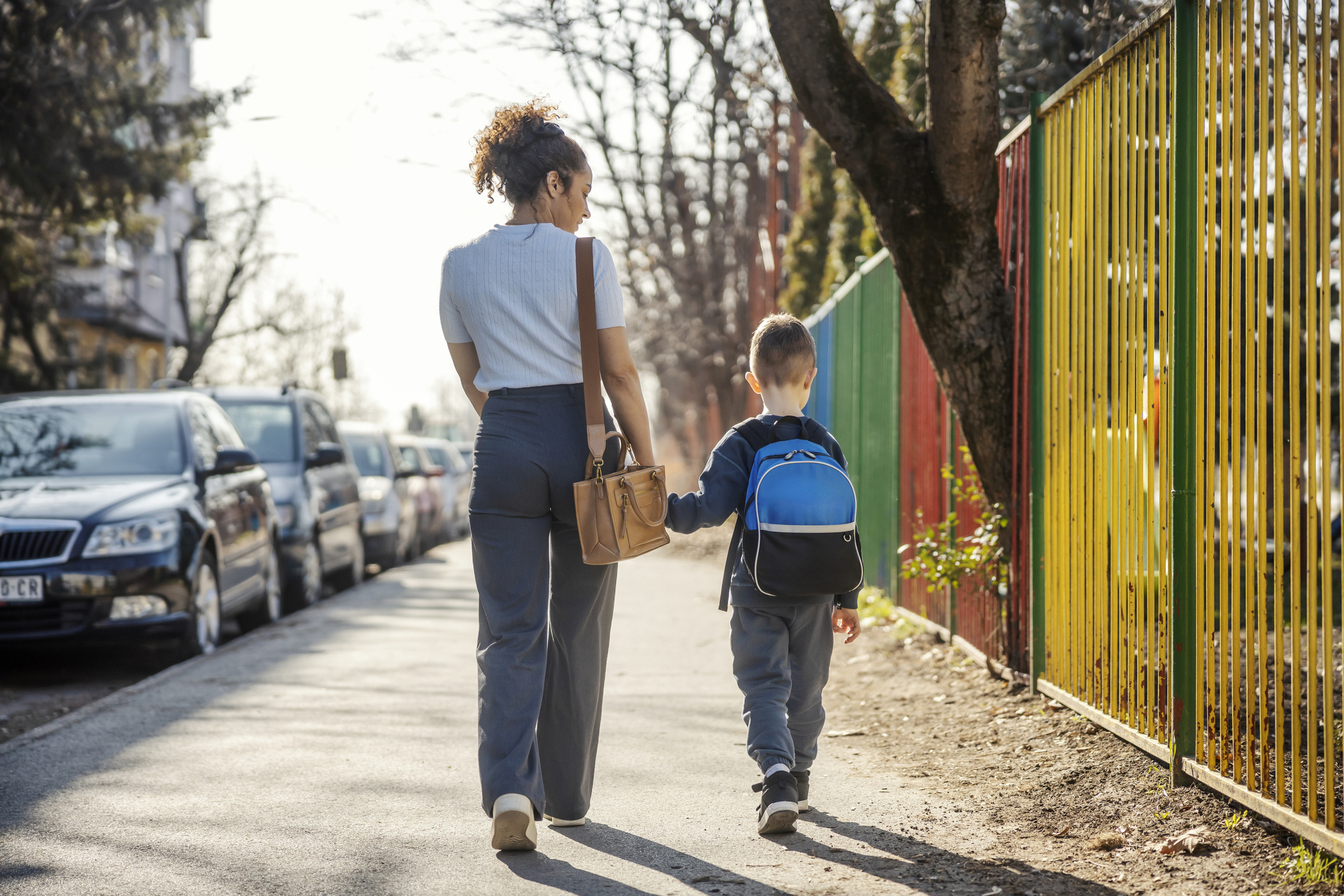
Rounding uncovers the profound human nuance that traditional reporting systems routinely miss. Family rounding involves focused questions about what is working well and what is getting in the way of a child doing their best. Student rounding allows your educators to ask relationship-building questions to gauge the daily classroom reality.
These proactive listening strategies bridge the gap between the district office and the classroom desk, while expanding family engagement in schools. Rounding supports trust-building and continuous improvement by forcing you to stay intimately connected to the day-to-day, minute-by-minute experiences of your people. It shifts your posture from reacting to crises to proactively identifying strengths and addressing quiet concerns before issues escalate. Consistent rounding proves you care not just about the outcomes, but the people producing those outcomes.
How Do Strong Districts Turn Feedback Into Continuous Improvement?
Continuous improvement must be a methodical, operational rhythm. Districts turn feedback into continuous improvement through a perpetual process: listening aggressively, identifying undeniable trends, responding to localized concerns, and scaling the brilliant practices that elevate student and family experiences.
To achieve this, you can build a Two-Aim Service Scorecard. One aim intensely tracks service measures and stakeholder satisfaction; the second aim tracks the resulting student success measures. This balances operational performance with the lived experience.
Top-performing districts engineer unbreakable feedback loops. This strategic approach uncovers exactly what is working, pinpoints where trust is fracturing, and identifies the precise actions needed to repair it. Improvement efforts gain massive traction when your leadership team reviews experience data with the exact same gravity applied to academic performance metrics. As a leader, you understand that an improvement mindset means acknowledging there is room to get better; mediocre is never an option. Rather than demanding overnight perfection, you make changes in small, incremental steps, perpetually learning, and perpetually adjusting. Just as a master chef tastes the sauce constantly while cooking, you check your organizational pulse regularly.
Why Service Excellence in Schools Is Really About Trust and Responsiveness
Service excellence in education means engineering consistent, deeply respectful, and radically responsive experiences for every student, family, and employee. Responsiveness drives trust; trust drives family engagement; engagement drives an electric school culture.
You cement life-long relationships when people feel genuinely heard and fiercely supported—especially during difficult situations. True service excellence shines when an upset parent receives a prompt, empathetic call back, proving parental concerns matter. A community’s perception of your district’s culture hinges almost entirely on your leadership responsiveness.
When people get anxious because processes lack clarity, step in immediately to define expectations and reduce that anxiety. Anticipate the friction. This level of care transforms bureaucratic institutions into deeply human communities, where every interaction reinforces your district’s core values. Responsiveness is not just a tactic; it is the ultimate expression of respect for the families you serve.
How Do Family Engagement and Student Experience Support Long-Term School Improvement?
Moving forward, shift your focus from short-term, flashy engagement events to sustainable, long-term school improvement. Sustainable success depends entirely on consistently understanding how students and families experience your district across years, not just quarters.
Strong districts embed structured listening practices, rigorous feedback systems, and highly responsive leadership behaviors straight into daily operations. Refuse to treat listening as a temporary initiative or a flavor-of-the-month program. Hardwire the practice.
Trust, profound family engagement within schools, and a brilliantly positive student experience compound over time when improvement efforts become your standard operating procedure. This long-term dedication ensures your district’s culture survives leadership transitions, outlasts demographic shifts, and continuously adapts to the community’s evolving needs. Do the work today to build the foundation for tomorrow. When you assume there is always room for refinement based on data, you create a legacy of excellence that resonates for generations.
How Studer Education Helps Districts Strengthen the Student and Family Experience
Great schools are not accidents. In reality, they are the result of intentional systems for listening, immediate responsiveness, and an unyielding commitment to strong school culture across every campus and department.
Studer Education partners with bold educational leaders to strengthen the people, processes, and structures that power these educational systems. We work alongside you to hardwire excellence.
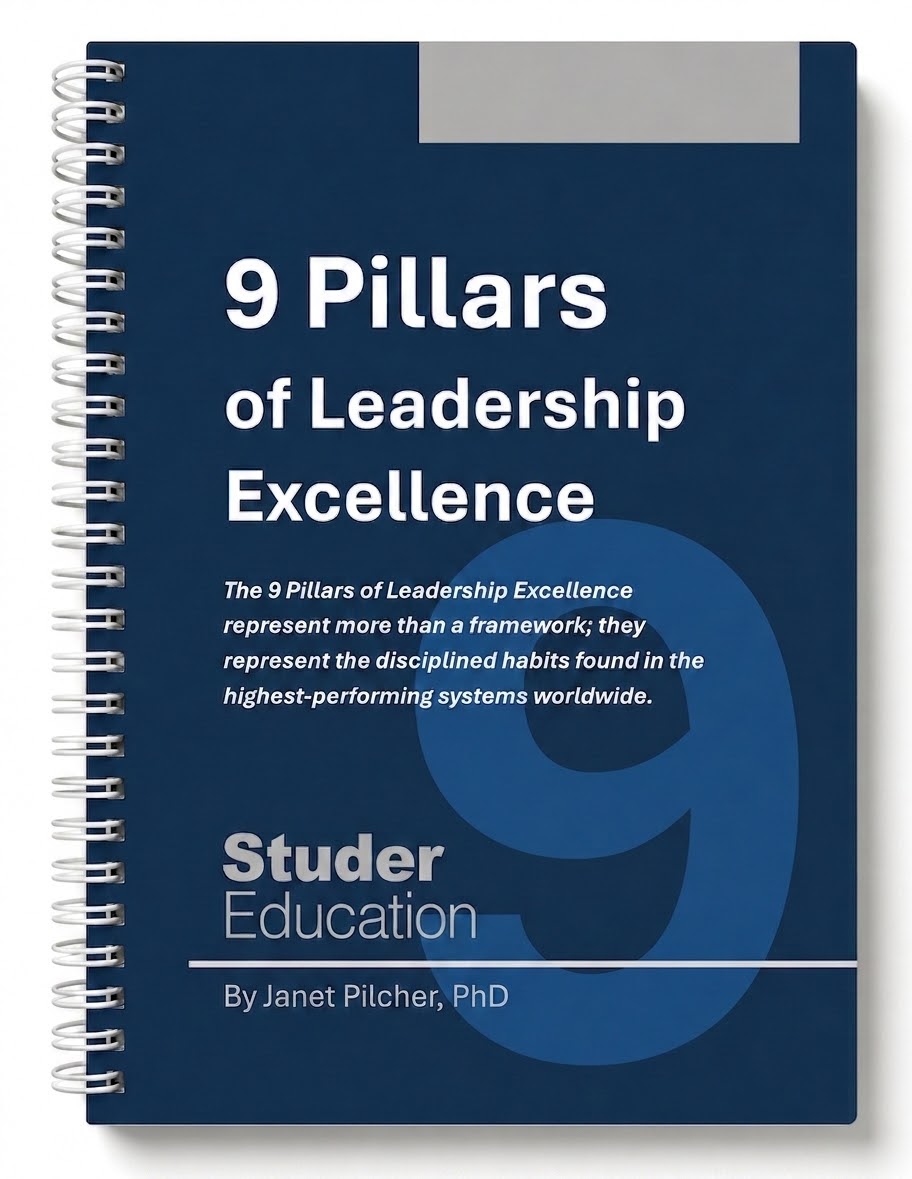
Explore the 9 Pillars of Leadership Excellence, an evidence-based framework designed to empower your people and accelerate results. Discover how your district can build an impenetrable foundation of trust.
Take our Leadership Assessment to clearly identify your district’s greatest strengths, and uncover high-leverage opportunities for growth.
Family Engagement and Student Experience FAQs
Student experience is the cumulative way a student perceives their learning environment, including their relationships, support systems, daily interactions, and overall sense of belonging.
Family engagement in schools is vital because students achieve higher academic and social outcomes when their families act as informed, respected, and active partners in the educational process.
Educational rounding is a proactive leadership practice that involves scheduling brief, structured conversations with staff, students, and families to gather actionable feedback and build relationships.
School rounding improves communication by giving leaders direct, unfiltered insight into the daily realities of their stakeholders, proving to the community that their voices are heard and valued.
Districts can improve school culture by identifying trends within student and family feedback, acting transparently on those insights, and measuring the impact of their changes over time.