

Have you ever positioned yourself in a positive light while delivering difficult news or information at the expense of another colleague or department? Has a coworker ever done this to you? Placing blame in the workplace can subconsciously erode the organization’s culture. It can create lose-lose scenarios for all the individuals involved. However, when modeling positive and respectful communication instead of placing blame, you can set an example and expectation for how to interact in your organization. In this episode, Dr. Janet Pilcher shares how you can stop placing blame in your organization with key tips and examples of alternative, positive communication approaches, and she explains how this can help reinforce a positive culture and help you be your best at work
Episode 250
Stop Placing Blame
In this episode, Dr. Janet Pilcher shares how you can stop placing blame in your organization with key tips and examples of alternative, positive communication approaches.
Listen Now
Hosts
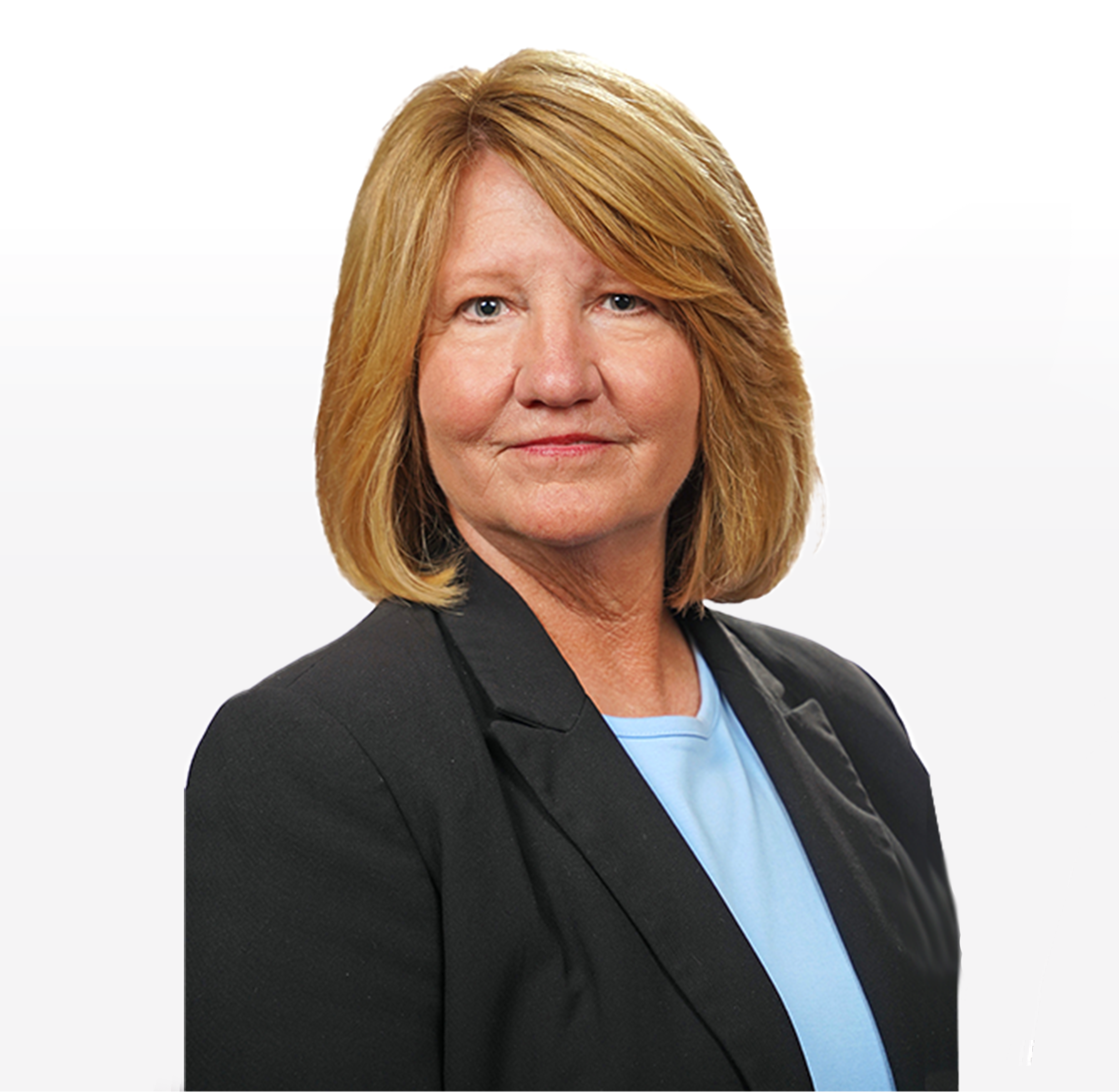
Janet Pilcher
President, Studer Education
About the Episode

What This Podcast Covers
- How can we/they statements promote placing blame in the workplace and harm the workplace culture, and how do I steer away from that form of communication?
- Why is it important to focus on factors I can control and ways I can assist others instead of placing blame?
- What responses can I give without using we/they communication?
Recommended Resources
Pillar 2: Measure What's Important
Pillar 3: Communicate for Alignment
More Like This
Browse All
Podcasts
Learn From Lived Experiences – Part 2
“Culture inside of an organization is what allows strategy to…
View More
Podcasts
Learn From Lived Experiences – Part 1
“Every kid that comes through every system in America deserves…
View More
Podcasts
The Power of People, Work, and Mattering: Reflections on 450 Episodes
“When people know they matter, they can do extraordinary things.”
View More
Podcasts
Listen to Learn, Act to Improve
“We paused and removed the leaders from that reporting out…
View More
Podcasts
Build Better Teams by Including Students and Families
“Children do best when the adults at home and at…
View More
Podcasts
Show Appreciation for the Gift Called “Teacher”
“We get this amazing chance to work with kids all…
View More

Podcasts
Getting and Keeping Team Members Engaged: Part 2
We spend so much time and energy and money trying…
View MorePodcasts
Getting and Keeping Team Members Engaged: Part 1
We spend so much time and energy and money trying…
View More
Podcasts
Drive Improvement Through Leading and Learning
“If I don't have the mindset of continuing to grow…
View More


Podcasts
Remember Your Why: From Struggle to Purpose
I think student success is not just an individual goal.…
View More


Podcasts
Change Organizational Culture With Standards of Excellence
We need to try to make our goal that the…
View More
Podcasts
Enhancing the Student Experience with Student Rounding
“Talk to students with great intention to know the type…
View More
Podcasts
Using Scorecards to Keep the Strategic Plan “Alive”
“The scorecard holds us accountable to what we said we…
View More
Podcasts
Add Voice and Value with Rounding and Recognition
“Rounding and recognition are specific strategies that reinforce this idea…
View More
Podcasts
Connecting to Purpose: The Little School District That Could
“We can't recognize recognize bright spots occurring in our organizations…
View More
Podcasts
Get Aligned: Strategic Plans, Scorecards, and Measures that Matter
“We have to make sure that we’re measuring the right…
View More
Podcasts
Listen, Learn, Improve: The Gift of Feedback
“Feedback is a gift when we pay ridiculous attention to…
View More
Podcasts
DHP 2026 Virtual K12 Leadership Conference Launch
How do we build the strategies and concepts and tactics…
View MoreWant to bring books to your team?
We support districts with bulk ordering options, reading guides, and professional learning plans built around our published content. Our books offer a shared language for system-wide alignment, whether for a leadership retreat, professional learning series, or district-wide initiative.